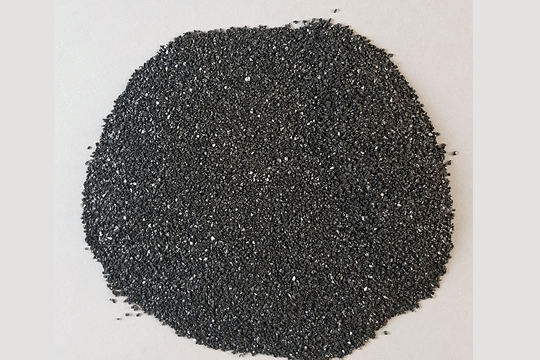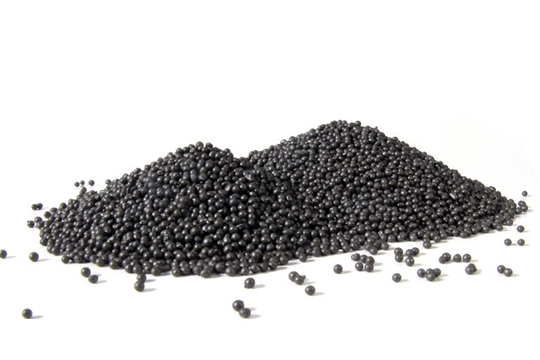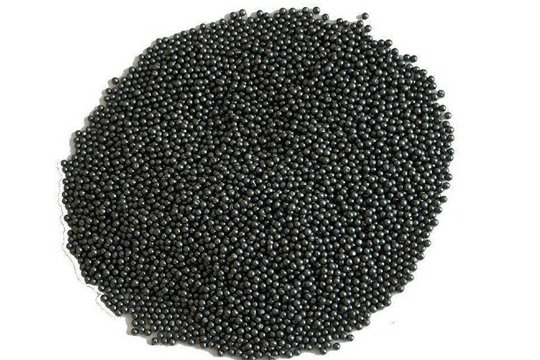
Steel Grit
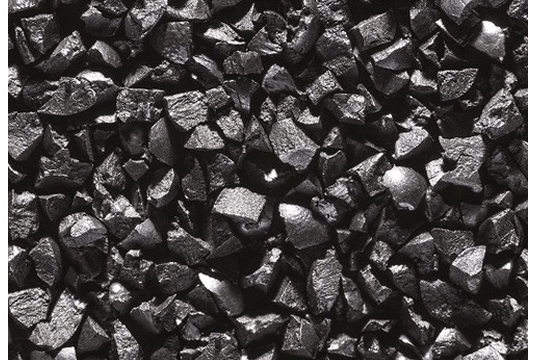
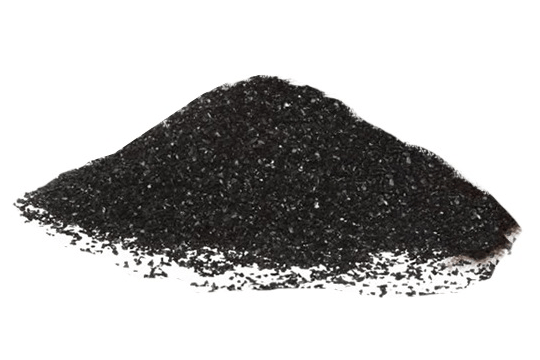
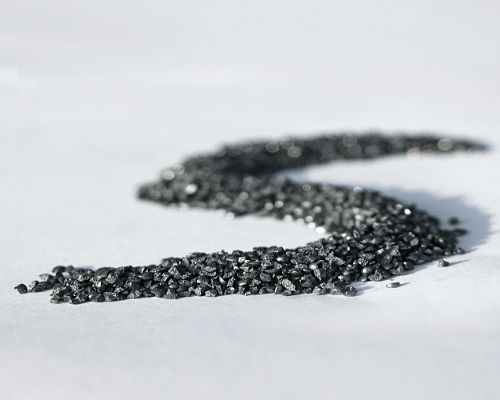
85% of the world’s abrasive manufacturers manufacture in martensitic structure. The remaining 15% is cast iron, stainless and bainitic. Martensitic structure is the most common production method and is state-of-the-art.
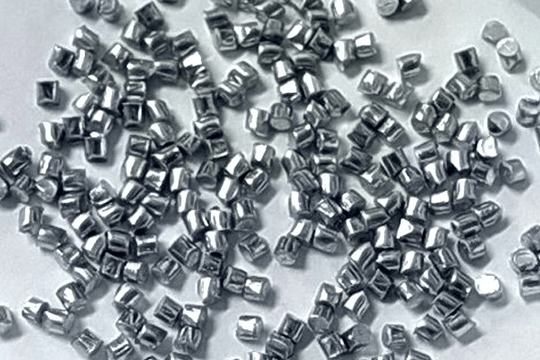
High carbon steel balls are produced by adding carbon, manganese and silica to the manufacturing waste pipes, profiles, sheets and extra scraps, melting them in an induction furnace at 1600 – 1650 °C and cooling them in water after atomization. After casting, the balls are annealed to a certain degree in annealing furnaces and poured into water to create a martensitic structure. Meanwhile, the hardness of the balls is around 63 HRC. Martensitic steel balls and grits can be reduced from 63 HRC to 40 HRC hardness in tempering furnaces after heat treatment.
The main thing in sandblasting is that the hardness of the sandblasting balls and grits used must be at least 3 – 5 HRC harder than the sandblasted surface, so that the cleaning and roughness required on the surface can be achieved faster and with the desired properties. Using a ball with a hardness lower than the hardness of the sandblasted surface prolongs the sandblasting time and cannot achieve the desired cleaning. This situation causes an increase in labor and energy consumption in the sandblasting process. In the sandblasting process cost, sandblasting material constitutes only 10-15%. The remaining 85-90% consists of labor and energy expenses. For this reason, choosing material with appropriate hardness and grain size is of great importance in terms of process costs. Martensitic structure is a production method that allows production at hardness values between 40 – 63 HRC.
Usage areas
Foundries
tattoo shops
steel mills
Machinery Manufacturing
Automotive industry
rolling mills
shipyards
Railway Sector
Construction Steel Industry
Granite Sector
Metal Industry